
Finding and clearing bottlenecks
Most teams have one step where work waits. An invoice sits until someone has time to type it. A report waits on the one person who knows the spreadsheet.
We find that step, time it, tailor a fix to your business, then time it again.
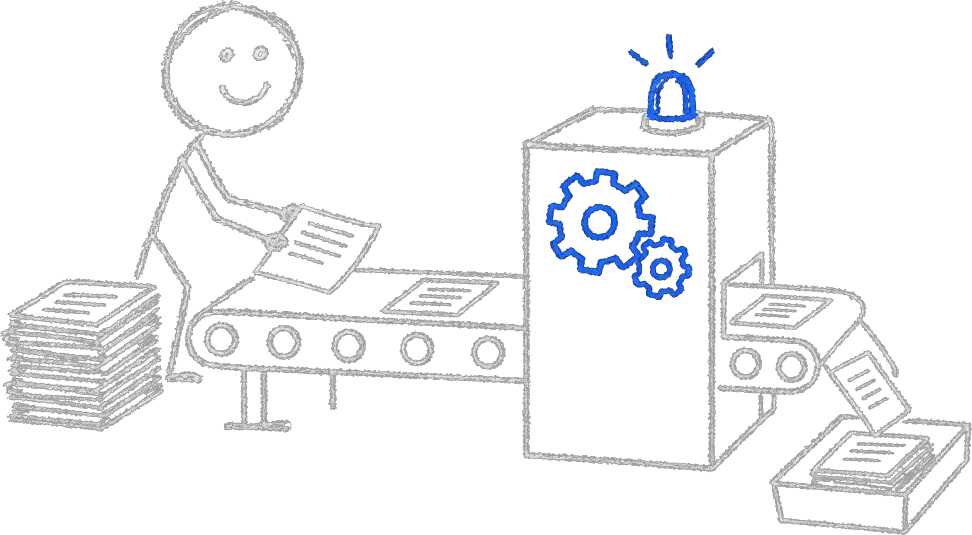
A bottleneck is the step where a job sits until a person copies, checks or chases something by hand. The tools on either side usually work. The job stalls at the hand-off between them.
We start with a working session on one job. You walk us through it, and we write down each step, who does it, and how long the work waits there. Then we bring back a plan for the first build: which step, what it connects to, and how we will measure it.
Where Do Bottlenecks Usually Form in a Business?
Work piles up in front of your busiest person. We start there.
01New clients
Once a client signs, every onboarding step goes out in order.
New leads arrive with company, role and contact details filled in.
02Sales
We draft each quote from your price list, so your team only checks and sends.
We fill your templates from the client record. You review and send.
We let clients book open times and send reminders and follow-ups on schedule.
03Capacity
We clear the routine ones by your rules and send you the rest.
We read each document, fill in the fields in your system and flag the unclear ones for a person.
We show each person's load before you take on more and flag jobs that have stalled.
04Data and reporting
We connect them so one entry reaches every tool.
We build live reports anyone on your team can open. See the service
When a job moves or a payment clears, the right person hears in the channel they check.
How Does a Build Work?
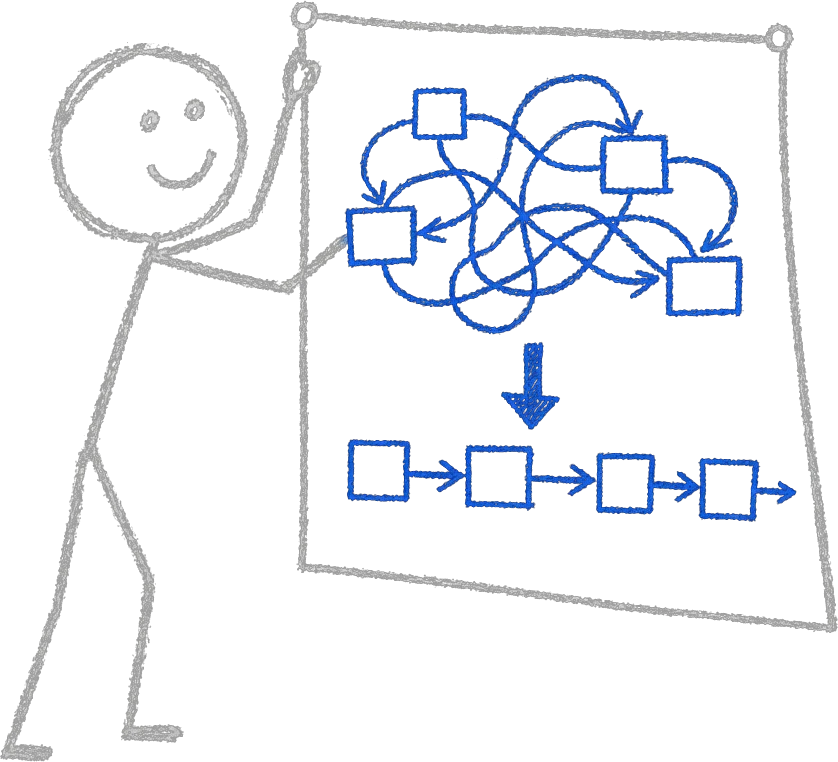
First we map one job from start to finish. We sit with the people who do it, time each step, and mark where the work waits. We use that map to pick the first build.
Then we build to the features you ask for and test on your real data before your team depends on it. After launch we time that step again, so you can set the two numbers side by side. We stay on call after that, track the numbers, and retune the build when your data shows it slipping.
Common Questions
Do we need to replace our current software?
How is this different from connecting apps with a no-code tool?
How long until something is live?
What happens after the build ships?
Where does AI fit?
Outcome
Keep Exploring
Reporting and analysis
Your weekly numbers, built from live systems, with each number linked to its source.
Read more →Sales training
A trainer tuned to your company that calls your reps and drills them on your sales values.
Read more →Marketing
We run your posting and tell you what to do next from the numbers.
Read more →Security testing
Red and blue team exercises on the systems you ask us to test.
Read more →Work With Us
Bring us the step where your work waits. We map it, time it and build the fix.
Read more →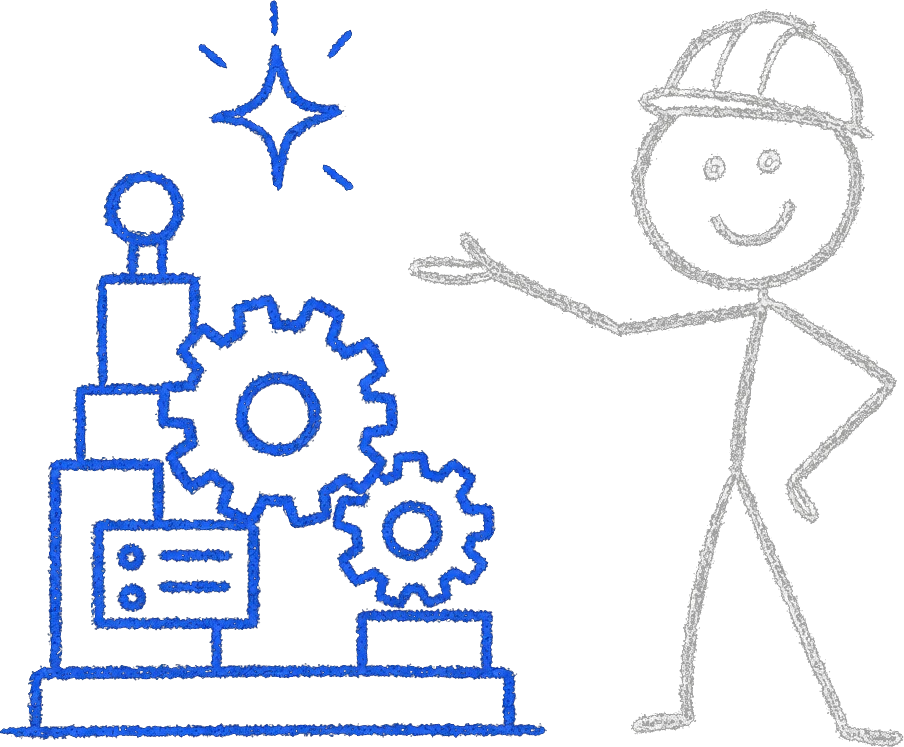
Tell us what keeps breaking.
We’ll build the fix.
Building What's Next.