AI Consulting for Palmetto's Logistics and Agricultural Operations
AI consulting in Palmetto is a fixed-price diagnosis for cold-chain, agricultural, and fabrication operations near Port Manatee. They need to know whether the next shipment lands on time and whether customs paperwork holds it up.
Our consulting engagement here skips the theory. We measure throughput, document turnaround, and data quality, then tell you what is actually worth automating.

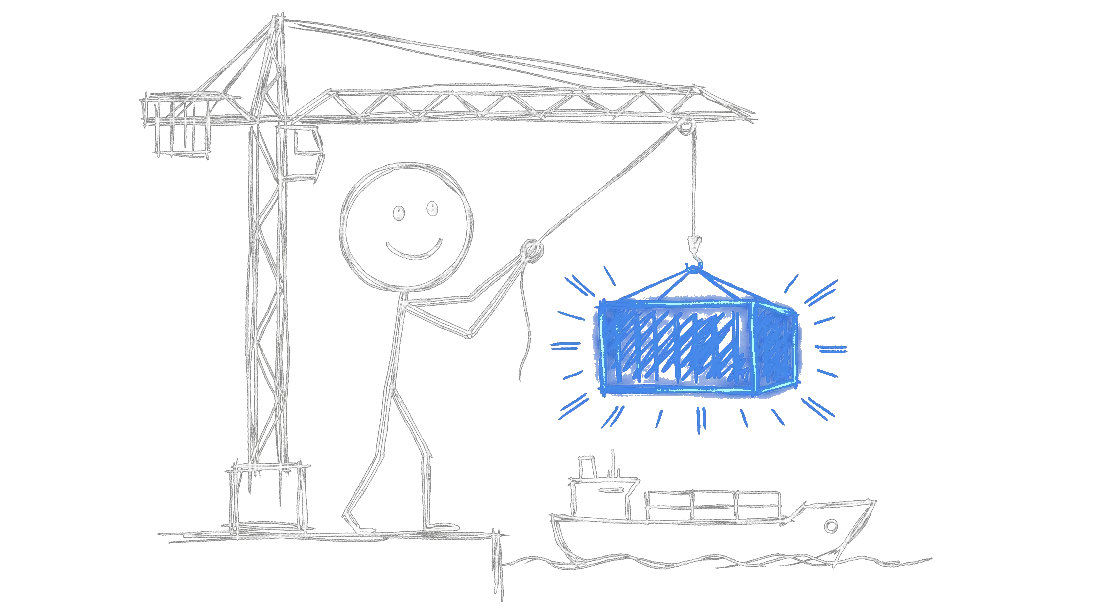
Palmetto's economy runs on logistics, agriculture, and small manufacturing, three sectors where the value of AI is easy to calculate because the current cost of manual work is already tracked in hours, delays, and rejected shipments. That makes the diagnosis more concrete here than in a lot of markets.
We start with your actual operational data: shipment records, purchase orders, harvest logs, whatever tracks the work today. If the data is not clean enough to trust an automation, we say so before recommending a build on top of it.
What Does an AI Diagnosis Measure at a Port Manatee-Adjacent Logistics Company?
The assessment focuses on where paperwork and coordination slow down a shipment that is otherwise ready to move.
Customs and shipping document turnaround
See the service
Carrier status tracking
Data readiness for automation
Vendor and buyer communication
Is Agricultural Data Too Messy for AI Automation to Work?
Often, yes, at least at first. Seasonal labor logs, harvest yield tracking, and grower delivery records tend to live in a mix of spreadsheets, paper tickets, and memory. That is a normal starting point, not a disqualifier.
Part of the diagnosis is a data readiness check specifically for that reality. Sometimes the first recommendation is a lightweight structure fix before any AI system touches the data, because automation built on bad data just produces bad output faster.
What Does a Small Fabricator Get Out of This That a Generic Consultant Would Miss?
A generic AI consultant tends to lead with chatbots and content generation, tools with limited relevance to a fabrication shop quoting jobs by hand. We lead with your actual quote-to-invoice cycle instead, because that is where the money is.
We serve Palmetto businesses from Sarasota, with calls and working sessions to understand how a job moves through your operation before we recommend any changes.
Common Questions
Can AI actually read customs and shipping documents accurately?
Our agricultural records are mostly paper and spreadsheets. Can you still work with that?
How is this different from hiring a logistics software vendor directly?
Do you work with businesses that have no in-house technical staff?
What is the payback period for automating customs document processing?
Outcome
Questions to explore next
- How does document processing automation work for customs paperwork?
- What does an operations intelligence dashboard look like for a logistics company?
- Can AI help clean up agricultural tracking data before automating it?
Keep Exploring
Palmetto, FL
All AI services available to Palmetto businesses.
Read more →AI receptionist in Palmetto
AI receptionist built for Palmetto businesses.
Read more →Business Automation in Palmetto
Automate the high-volume manual work in logistics, manufacturing, and agriculture.
Read more →AI Consulting
The national capability page for our diagnosis-first consulting engagement.
Read more →